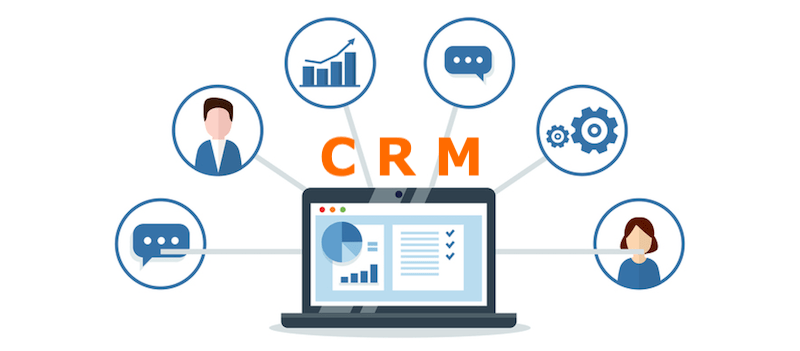
In the competitive landscape of small businesses, every tool and strategy counts. Customer Relationship Management (CRM) systems have emerged as a crucial asset for businesses aiming to streamline their operations and foster better relationships with their clientele. However, the question remains: Is a Small Business CRM a friend or a foe? In this comprehensive exploration, we delve into the intricacies of Small Business CRMs to settle the debate once and for all.
Small businesses often grapple with the dilemma of investing in CRM systems. While some perceive it as a valuable ally in managing customer interactions and driving sales, others view it as an unnecessary expense that complicates rather than simplifies processes. The reality, however, lies in understanding how effectively a CRM system can be tailored to suit the specific needs and scale of a small business.
Understanding Small Business CRM Systems
Small Business CRM systems, also known as SMB CRMs, are software solutions designed to help businesses manage interactions with current and potential customers. These systems typically offer functionalities such as contact management, sales automation, lead tracking, and email marketing integration. Unlike enterprise-level CRMs, which tend to be complex and expensive, SMB CRMs are scaled-down versions tailored to the requirements and budgets of smaller enterprises.
The Benefits of Implementing a Small Business CRM
- Improved Customer Relationships: One of the primary benefits of utilizing a Small Business CRM is the ability to centralize customer data. By having a unified view of customer interactions and preferences, businesses can personalize their communication and provide better service, fostering stronger relationships with their clientele.
- Enhanced Efficiency: Small Business CRMs streamline various processes, such as lead management and sales tracking, thereby saving time and resources. Automation features enable businesses to automate repetitive tasks, allowing employees to focus on high-value activities like nurturing leads and closing deals.
- Insightful Analytics: Another advantage of Small Business CRMs is their ability to generate actionable insights through data analytics. By analyzing customer behavior and sales trends, businesses can make informed decisions and devise strategies to improve performance and profitability.
- Scalability: As small businesses grow, their CRM needs evolve. Small Business CRMs offer scalability, allowing businesses to adapt and expand their CRM capabilities according to their growth trajectory. This scalability ensures that businesses can continue to effectively manage customer relationships without outgrowing their CRM system.
- Cost-Effectiveness: Unlike enterprise-level CRMs, which often come with hefty price tags and complex features unnecessary for small businesses, SMB CRMs are more affordable and straightforward. Many providers offer flexible pricing plans, making it accessible to businesses with varying budgets.
Potential Drawbacks of Small Business CRMs
- Learning Curve: Implementing a new CRM system can be daunting, especially for small businesses with limited IT resources. Training employees to use the system effectively and ensuring smooth integration with existing processes can pose challenges and require time and effort.
- Customization Limitations: While Small Business CRMs offer essential features out-of-the-box, they may lack the extensive customization options available in enterprise-level solutions. Businesses with unique workflows or industry-specific requirements may find it challenging to tailor the CRM to their exact needs.
- Integration Complexity: Small businesses often rely on a multitude of software tools to manage various aspects of their operations. Integrating a CRM system with existing tools and platforms can be complex and may require additional investment in third-party integration services or development resources.
- Data Security Concerns: Storing sensitive customer data in a CRM system requires robust security measures to prevent unauthorized access or data breaches. Small businesses may lack the resources to implement and maintain stringent security protocols, leaving them vulnerable to cyber threats.
- Over-reliance on Technology: While technology can undoubtedly enhance business processes, over-reliance on CRM systems may lead to a disconnect in genuine human interactions with customers. It’s essential for businesses to strike a balance between leveraging technology and maintaining a personal touch in their customer relationships.
Making the Decision: Friend or Foe?
The debate surrounding Small Business CRMs ultimately boils down to how effectively businesses leverage these tools to their advantage. While there are potential challenges and drawbacks associated with implementing CRM systems, the benefits they offer in terms of improving efficiency, fostering customer relationships, and driving growth cannot be overlooked.
Conclusion
In conclusion, a Small Business CRM can be a powerful ally for small businesses, provided they approach its implementation and utilization strategically. By understanding their unique needs, investing in proper training and support, and continuously refining their CRM strategy, businesses can transform these systems from potential foes into invaluable friends in their quest for success.